
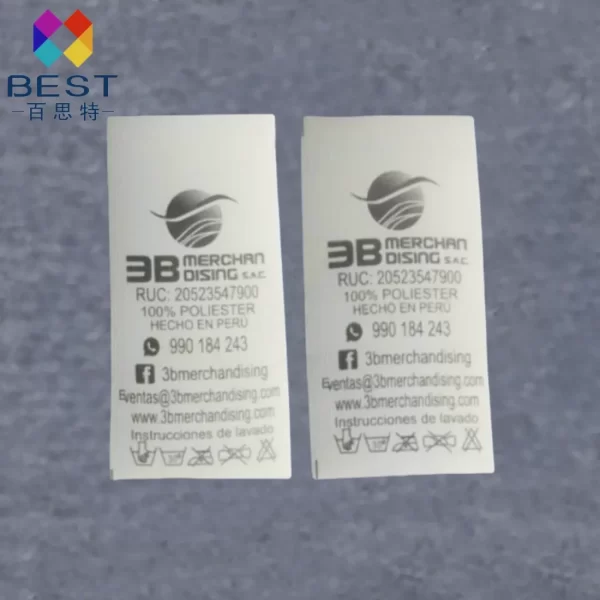
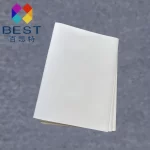
Foglio di etichette Hot Melt HM-7324
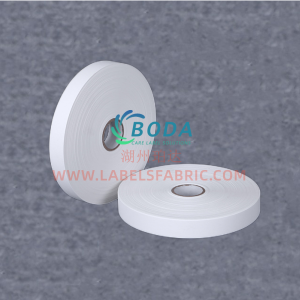
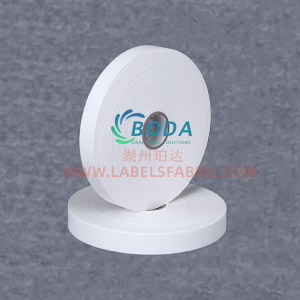
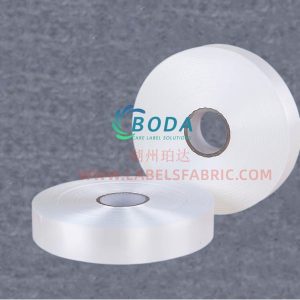
- Foglio di etichette hot melt
- Adesivo termoattivato
- Nylon,Frontale in raso e poliestere per la selezione
- Applicazione di stampa: stampa offset,serigrafia,stampa rotativa,stampa flessografica
- Applicazione: etichetta del tappeto,etichetta del materasso,etichetta delle scarpe,etichetta di mobili,eccetera.
- Temperatura di funzionamento: 105-115℃
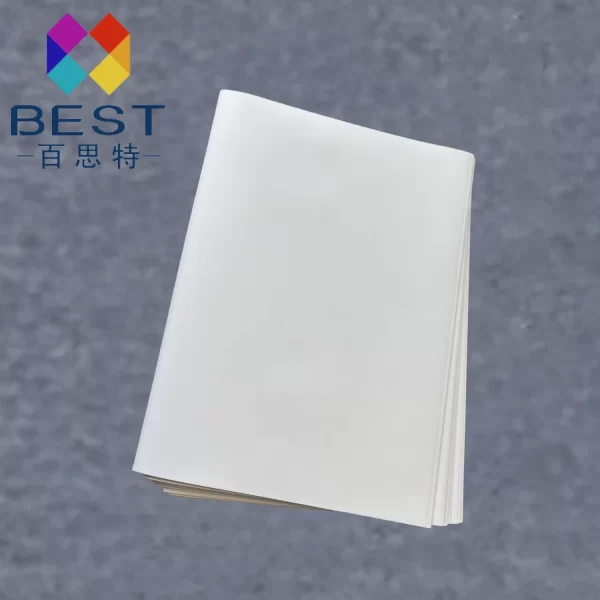
- Confezione: foglio tagliato,tagliare il rotolo e il rotolo jumbo come opzione
- Descrizione
- Inchiesta
Descrizione
Il foglio di etichette hot melt è noto anche come foglio di etichette termosaldate. Si tratta di un tessuto per etichette adesive tenuto insieme da un adesivo solido termoplastico e da un normale tessuto per etichette mediante laminazione. Questo adesivo solido termoplastico è un adesivo termicamente reattivo che si ammorbidisce quando riscaldato e aderisce saldamente alla superficie di altri prodotti sotto una certa pressione.
Struttura del foglio di etichette hot melt
Un tessuto termosaldato è costituito da due strati progettati per facilitare il processo di incollaggio del tessuto su un'altra superficie utilizzando calore e pressione. Mentre la composizione esatta può variare a seconda dell'applicazione specifica.
Frontale (Strato di stampa): il frontale è dove si trova il design, testo, logo, o le informazioni vengono stampate. È la parte visibile dell'etichetta che vedi una volta applicata al tessuto. Questo strato può essere realizzato con vari materiali stampabili, come il poliestere, nylon,satinato altri materiali sintetici in grado di resistere al processo di trasferimento del calore.
Adesivo sensibile al calore: adesivo direttamente sotto il frontale,formulato per diventare appiccicoso se esposto al calore. È responsabile del legame dello strato di stampa al tessuto. L'adesivo utilizzato è tipicamente un materiale termoplastico che si ammorbidisce quando riscaldato e si solidifica dopo il raffreddamento.
| |
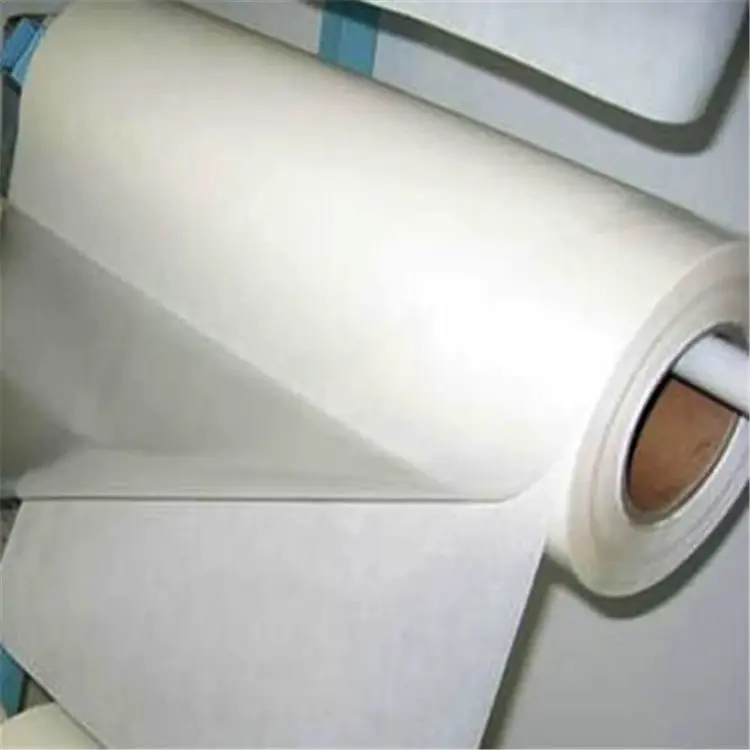
Caratteristiche del foglio di etichette hot melt
1-) Aspetto pulito e professionale: Le etichette hot melt forniscono un aspetto pulito e senza cuciture sul tessuto. Sembrano professionali e spesso sono indistinguibili dal materiale circostante.
2-) Durata: Se applicato correttamente, Le etichette termosaldate sono abbastanza resistenti e possono resistere ai lavaggi regolari, Indossare, e l'esposizione a fattori ambientali senza sbucciarsi o sbiadire.
3-) Versatilità: Queste etichette possono essere applicate su un'ampia gamma di tipi di tessuto, compreso il cotone, poliestere, miscele, e tessuti ancora più delicati, purché vengano utilizzate le impostazioni corrette di calore e pressione.
4-) Applicazione rapida: L’applicazione delle etichette termosaldate è generalmente più rapida rispetto alla cucitura delle etichette tradizionali, che può essere particolarmente utile negli ambienti di produzione di massa.
5-) Nessuna cucitura richiesta: Uno dei principali vantaggi è che le etichette termosaldate eliminano la necessità di cucire, che può far risparmiare tempo e ridurre i costi di manodopera.
6-) Varietà di applicazioni: Le etichette termosaldate sono utilizzate in vari settori, compreso l'abbigliamento, abbigliamento sportivo, indumenti da lavoro, accessori moda, tessili medicali, e tessili industriali.
Mentre le etichette termosaldate offrono numerosi vantaggi, è importante considerare fattori come la compatibilità del tessuto, tecniche di applicazione, e impostazioni appropriate di calore e pressione per garantire un'adesione corretta e la longevità delle etichette. Seguire sempre le linee guida del produttore ed eseguire test quando si utilizzano le etichette termosaldate per la prima volta su un particolare tessuto o materiale.
Applicazione specifica del foglio di etichette hot melt
L'etichetta hot melt è semplice da utilizzare e non richiede cucitura o altri metodi adesivi. Non solo garantisce l'estetica del prodotto, ma è anche un metodo di etichettatura necessario per alcuni prodotti che non sono adatti alla cucitura,quindi questo tipo di etichetta sta diventando sempre più popolare e ampiamente utilizzata nella produzione di etichette per scarpe, etichette per tappeti, etichette per materassi, etichette per mobili, ed etichette elettromeccaniche.
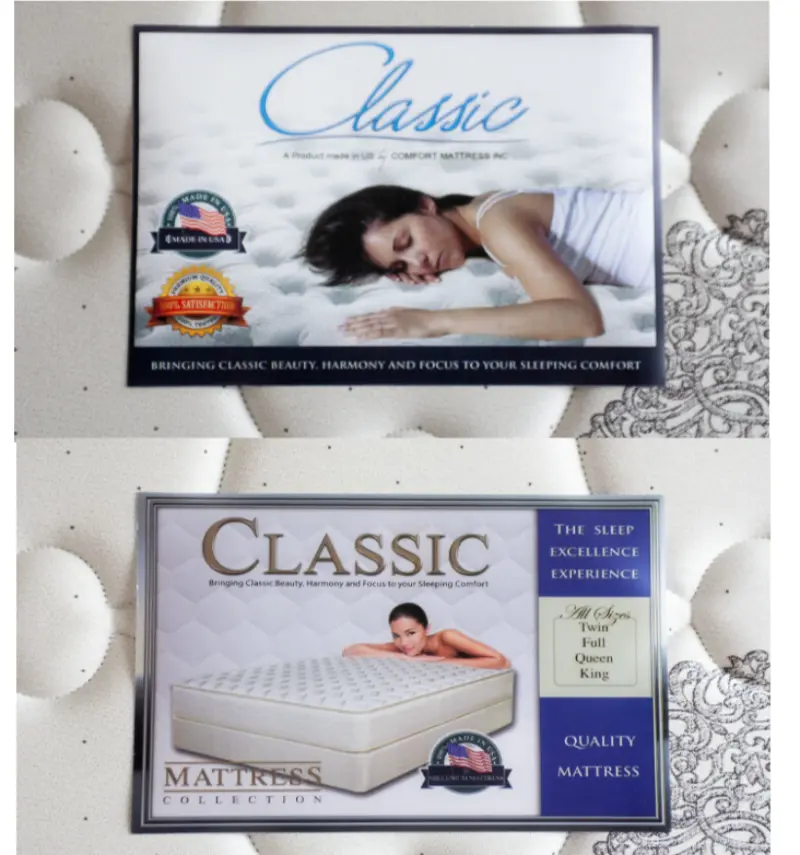
Utilizzare la guida per l'etichetta hot melt
L'utilizzo delle etichette termosaldate comporta un processo semplice, ma è importante seguire le istruzioni e la condotta del produttore. Ecco una guida generale all'uso delle etichette termosaldate
- Fare un passo 1) Preparazione:
Assicurarsi che il tessuto sia pulito e privo di sporco, detriti, o rughe.
Preriscaldare la pressa a caldo o stirare alla temperatura consigliata dal produttore delle etichette termosaldate. La temperatura dipende solitamente dal tipo di tessuto e dall'adesivo utilizzato.
- Fare un passo 2) Posizionamento:
Posiziona il tessuto su una superficie piana, superficie resistente al calore.
Posizionare l'etichetta termosaldata sul tessuto con il lato stampato rivolto verso il basso e il lato adesivo rivolto verso il tessuto. Assicurati che sia allineato e centrato correttamente.
- Fare un passo 3) Applicazione di calore e pressione:
Se si utilizza una pressa a caldo:
Posiziona il tessuto con l'etichetta sulla piastra inferiore della termopressa.
Chiudere la termopressa e applicare la pressione consigliata.
Impostare il timer secondo le istruzioni del produttore.
La termopressa riscalderà l'etichetta e il tessuto contemporaneamente.
Se si utilizza un ferro da stiro domestico:
Posizionare un panno sottile sull'etichetta per evitare il contatto diretto con la piastra del ferro.
Applicare il ferro sull'etichetta con una pressione uniforme. Muovi il ferro per garantire una distribuzione uniforme del calore.
Mantenere il ferro in movimento per evitare di surriscaldarsi o bruciare il tessuto.
- Fare un passo 4) Raffreddamento:
Dopo il tempo di applicazione del calore consigliato, rimuovere la fonte di calore e lasciare raffreddare l'etichetta e il tessuto per qualche istante. Ciò consente all'adesivo di solidificarsi e creare un legame forte.
- Fare un passo 5) Peeling
Controllare l'aderenza tra l'etichetta e il tessuto. Assicurati che sia sicura e che non vi siano aree in cui l'etichetta si solleva o non aderisce correttamente.
Seguire sempre le linee guida del produttore, poiché istruzioni e raccomandazioni specifiche possono variare in base al tipo di tessuto, adesivo, e la fonte di calore utilizzata. Si consiglia di testare il processo su una piccola area del tessuto o su un campione prima di applicare l'etichetta termosaldata al prodotto finale per garantire un risultato positivo.
Categoria di prodotto
Huzhou Boda Etichetta Tessuto Co.,Ltd. fornitore di una serie di fogli per etichette hot melt con diversi frontali utilizzati in varie applicazioni,Pls contattaci da posta/telefono per indagine.
| Modello | HM603 | HM7042 | HM7324 | |
| Descrizione | Nylon fuso a caldo | Raso a caldo | Poliestere termofusibile | |
| Colore | Bianco | Bianco | Bianco | |
| Composizione | Tessuto | Nylon rivestito | Raso rivestito | Poliestere rivestito |
| Adesivo | Adesivo termoplastico | Adesivo termoplastico | Adesivo termoplastico | |
| Spessore | Tessuto | 110 micro (+5) | 100 micro (+5) | 150 micro (+5) |
| Adesivo | 100 micro (+1) | 110 micro (+1) | 110 micro (+1) | |
| Totale | 210 micro (+5) | 210 micro (+5) | 260 micro (+5) | |
| Peso | Tessuto | 68 GSM (+3) | 105 GSM (+3) | 104 GSM (+3) |
| Adesivo | 85 GSM (+1) | 85 GSM (+1) | 85 GSM (+1) | |
| Totale | 153 GSM (+5) | 190 GSM (+5) | 189 GSM (+5) | |
| Stampa | Stampa di lettere | √ | √ | √ |
| Rotante | √ | √ | √ | |
| Serigrafia | √ | √ | √ | |
| Offset | √ | √ | √ | |
| Trasferimento termico | √ | × | × | |
| Stamping a caldo | √ | √ | √ | |
| Standard OEKO-tex | × | × | × | |
| APEO | × | × | × | |
| Formaldeide libera | ND | ND | ND | |
| PORTATA | √ | √ | √ | |
| ROHS | √ | √ | √ | |
| Temperatura di fissazione del colore | 70℃ | 70℃ | 70℃ | |
| Garanzia di qualità | 1anno | 1anno | 1anno | |
| Magazzinaggio | Temperatura | 5~40℃ | 5~40℃ | 5~40℃ |
| Umidità | 40~70% | 40~70% | 40~70% | |
Imballaggio dei prodotti
1-) Imballaggio del rotolo di taglio: I clienti possono ordinare i nastri pretagliati in confezioni in rotolo della stessa larghezza, in base alla larghezza dell'etichetta che vogliono realizzare. Stampa di etichette con macchine da stampa rotative, macchine da stampa serigrafica, e le macchine da stampa tipografica si adattano sempre agli imballaggi in rotoli tagliati.
2-) Imballaggio in fogli singoli: La stampa di etichette con una macchina da stampa offset sceglie principalmente imballaggi in fogli singoli
3-) Confezione in rotolo enorme: Coloro che scelgono l'imballaggio in jumbo roll sono generalmente distributori o produttori di etichette su larga scala. Dispongono di proprie macchine taglia fogli o macchine da taglio e tagliano il tessuto delle etichette autoadesive in base alle effettive esigenze per garantire la tempestività della fornitura.