सेल्फ ॲडेसिव्ह लेबल फॅब्रिक SA7042

- वर्णन
- चौकशी
वर्णन
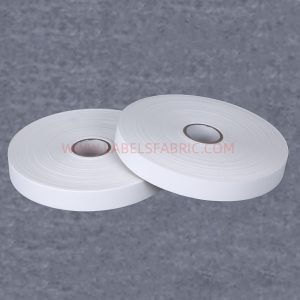
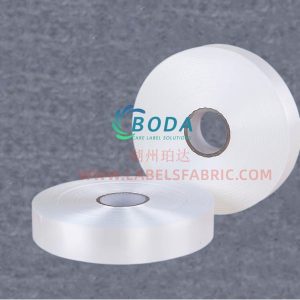
सेल्फ ॲडेसिव्ह लेबल फॅब्रिक,दाब-संवेदनशील लेबल फॅब्रिक म्हणून देखील ओळखले जाते,एक प्रकारची लेबल सामग्री आहे जी फॅब्रिकच्या पोतला दाब-संवेदनशील चिकट बॅकिंगसह एकत्रित करते. या सामग्रीपासून बनविलेले लेबल दबाव लागू करून कापड किंवा इतर उत्पादनांना चिकटविण्यासाठी डिझाइन केलेले आहेत.,शिलाईची गरज दूर करणे,गरम करणे,किंवा कोणत्याही अतिरिक्त बाँडिंग पद्धती.
उत्पादनाची रचना
सेल्फ-ॲडेसिव्ह लेबल फॅब्रिक हे लॅमिनेटेड कंपोझिट मटेरियल आहे जे वेगवेगळ्या सामग्रीच्या तीन थरांनी बनलेले आहे..
- कापड पृष्ठभाग: लेबलचा वरचा थर सामान्यतः लेपित कापड साहित्याचा बनलेला असतो. सर्वात सामान्यपणे वापरल्या जाणाऱ्या सामग्रीमध्ये लेपित नायलॉनच्या कापडांचा समावेश होतो,लेपित साटन आणि लेपित पॉलिस्टर,इ. या सामग्रीची पृष्ठभाग गुळगुळीत आहे,मऊ पोत,चांगली त्वचा आत्मीयता,मजबूत मुद्रण सुसंगतता,लोगो छापण्यासाठी योग्य,ब्रँड नावे,काळजी सूचना,आयामी तपशील,किंवा इतर कोणतीही संबंधित माहिती.
- दाब-संवेदनशील चिकट थर: फॅब्रिकच्या मागील बाजूस दाब-संवेदनशील चिकटपणाचा थर लावला जातो. दबाव लागू केल्यावर सक्रिय करण्यासाठी आणि पालन करण्यासाठी तयार केले जाते, हे चिकटवता एक मजबूत बॉन्ड तयार करण्यासाठी डिझाइन केले आहे आणि अवशेष न सोडता किंवा फॅब्रिकचे नुकसान न करता काढता येण्याजोगे देखील आहे.
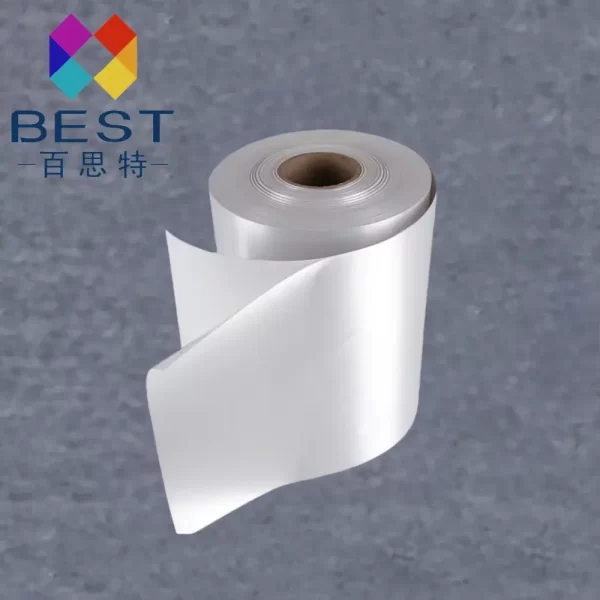
- लाइनर सोडा: इतर स्वयं-चिकट सामग्रीसारखेच, दाब-संवेदनशील टेक्सटाईल लेबल्समध्ये फॅब्रिकच्या मागील बाजूस एक रिलीज लाइनर असतो. हे लायनर चिकट थराचे संरक्षण करते जोपर्यंत लेबल लागू होण्यासाठी तयार होत नाही.. फॅब्रिकला लेबल जोडण्यापूर्वी ते फाडणे आवश्यक आहे.
 |  |
| व्हाइट सेल्फ ॲडेसिव्ह लेबल फॅब्रिक | ब्लॅक सेल्फ ॲडेसिव्ह लेबल फॅब्रिक |
फायदे
1-) सुलभ अर्ज: सेल्फ ॲडेसिव्ह लेबले शिवणकाम किंवा इतर मार्गांनी निश्चित करणे आवश्यक नाही, जे केवळ लेबलिंग प्रक्रिया सुलभ करत नाही,परंतु विशेषतः नाजूक कापडांसाठी किंवा शिवणकाम व्यावहारिक नसलेल्या परिस्थितींसाठी फायदेशीर आहे.
2-) अष्टपैलुत्व: त्याच्या सोयीस्कर कार्यक्षमतेमुळे, हे केवळ घरगुती कापड आणि कपड्यांसाठी काळजी लेबले बनवण्यासाठीच नाही तर इतर विविध उत्पादनांसाठी लेबले तयार करण्यासाठी देखील वापरले जाऊ शकते.
3-) व्यावसायिक स्वरूप: लेबल स्वच्छ आणि व्यावसायिक स्वरूप प्रदान करते जे ब्रँड आणि कापड उत्पादनांचे सादरीकरण वाढवते.
4-) वेळ आणि खर्च बचत: शिवणकामाची गरज नसल्यामुळे, स्व-चिपकणारे लेबल वेळ वाचवू शकतात आणि उत्पादन खर्च कमी करू शकतात. ते लेबल प्लेसमेंटमध्ये लवचिकता देखील प्रदान करतात.
5-) लेबल बदल: डिझाइन किंवा संदेश बदलण्याची आवश्यकता असल्यास, उत्पादनात बदल न करता स्वयं-चिपकणारी लेबले सहजपणे बदलली जाऊ शकतात.
6-) आराम: कापड पृष्ठभाग हे सुनिश्चित करते की लेबल त्वचेच्या विरूद्ध आरामदायक राहते, ते कपडे आणि घालण्यायोग्य वस्तूंसाठी योग्य बनवणे.
7-) तात्पुरता किंवा कायमचा वापर: वापरलेल्या चिकटपणावर अवलंबून, तात्पुरत्या अनुप्रयोगांसाठी लेबले डिझाइन केली जाऊ शकतात (जसे की किंमत टॅग) किंवा कायम ब्रँडिंग.
सेल्फ-ॲडेसिव्ह टेक्सटाइल लेबल फॅब्रिक हे एक अष्टपैलू समाधान आहे जे कार्यक्षमता एकत्र करते, सौंदर्यशास्त्र, आणि वापरणी सोपी. हे सोई किंवा डिझाइनशी तडजोड न करता कापड उत्पादनांना ब्रँड आणि लेबल करण्याचा मार्ग प्रदान करते.
विशिष्ट अनुप्रयोग
चिकट लेबल ऑपरेट करणे सोपे आहे आणि शिवणकाम किंवा इतर चिकट पद्धतींची आवश्यकता नाही. हे केवळ उत्पादनाचे सौंदर्यशास्त्र सुनिश्चित करत नाही, परंतु शिवणकामासाठी योग्य नसलेल्या काही उत्पादनांसाठी आवश्यक लेबलिंग पद्धत देखील आहे. त्याच वेळी, कोणतेही ट्रेस न ठेवता ग्राहकांच्या गरजेनुसार लेबले रिअल-टाइममध्ये बदलली जाऊ शकतात, म्हणून या प्रकारचे लेबल कपड्यांच्या कॉलर लेबलच्या उत्पादनात वाढत्या प्रमाणात लोकप्रिय आणि मोठ्या प्रमाणावर वापरले जात आहे, शू लेबले, कार्पेट लेबले, गद्दा लेबल, फर्निचर लेबले, आणि इलेक्ट्रोमेकॅनिकल लेबले.

मार्गदर्शन वापरा
1-) स्व-चिपकणारे लेबल चालविण्यामध्ये पृष्ठभागावर लेबल लावण्याची प्रक्रिया समाविष्ट असते, सामान्यत: कापड किंवा फॅब्रिक उत्पादन. स्वयं-चिपकणारे लेबल योग्यरित्या कसे चालवायचे याबद्दल चरण-दर-चरण मार्गदर्शक येथे आहे:
2-) पृष्ठभाग तयार करा:तुम्हाला स्वयं-चिपकणारे लेबल लावण्याचा तुम्हाला इरादा असल्याची खात्री करा, कोरडे, आणि धुळीपासून मुक्त, घाण, किंवा तेल. हे चिकट बंध प्रभावीपणे मदत करेल आणि लेबलचे दीर्घायुष्य सुनिश्चित करेल.
3-) रिलीझ लाइनर सोलून घ्या:सेल्फ-ॲडेसिव्ह लेबलच्या मागील बाजूने रिलीझ लाइनर हळूवारपणे सोलून घ्या. रिलीझ लाइनर हा लेबलच्या चिकट बाजूला झाकणारा संरक्षक स्तर आहे.
4-) लेबल लावा:कापड किंवा फॅब्रिक उत्पादनाच्या इच्छित स्थानावर लेबलची उघडलेली चिकट बाजू काळजीपूर्वक ठेवा. लेबल योग्यरित्या संरेखित आणि इच्छेनुसार स्थित असल्याचे सुनिश्चित करा.
5-) दबाव लागू करा:एकदा लेबल इच्छित स्थितीत आहे, लेबल पृष्ठभागावर घट्ट आणि समान दाब लागू करा. हे आपल्या बोटांनी केले जाऊ शकते, एक स्वच्छ कापड, किंवा सपाट साधन. दाब लागू केल्याने हे सुनिश्चित होते की चिकटपणाचा फॅब्रिकशी मजबूत संपर्क होतो, सुरक्षित बाँडचा प्रचार करणे.
6-) हवेचे फुगे गुळगुळीत करा:जसे आपण लेबलवर दाबा, लेबलखाली तयार होणाऱ्या कोणत्याही हवेच्या बुडबुड्यांकडे लक्ष द्या. कोणतीही अडकलेली हवा काढून टाकण्यासाठी मध्यभागीपासून कडांच्या दिशेने लेबल हळूवारपणे गुळगुळीत करा.
7-) बाँडला वेळ द्या:फॅब्रिकशी योग्यरित्या जोडण्यासाठी चिकटपणाला थोडा वेळ द्या. बाँडिंग वेळेबाबत लेबल निर्मात्याकडून शिफारस केलेल्या कोणत्याही सूचनांचे अनुसरण करा. ही पायरी हे सुनिश्चित करते की लेबल सुरक्षितपणे संलग्न राहील, धुतल्यानंतर किंवा वापरल्यानंतरही.
व्यत्यय टाळा:ओढण्यापासून परावृत्त करा, stretching, किंवा अर्ज केल्यानंतर लगेच लेबलला त्रास देणे. लेबल केलेल्या वस्तूवर कोणताही ताण येण्यापूर्वी किंवा धुण्याआधी चिकटपणाला पूर्णपणे सेट होऊ द्या आणि फॅब्रिकशी जोडू द्या.
या चरणांचे अनुसरण करून, तुम्ही स्व-चिपकणारे लेबल प्रभावीपणे ऑपरेट करू शकता, ते फॅब्रिकचे सुरक्षितपणे पालन करते आणि कापड उत्पादनाच्या संपूर्ण आयुष्यभर त्याचे स्वरूप कायम ठेवते याची खात्री करणे.
उत्पादन श्रेणी
हुझोउ बोडा लेबल फॅब्रिक कं, लि. supplier a seires of self adhesive label fabrics with different textile surface used in various application,pls आमच्याशी संपर्क साधा मेल/टेलिफोन चौकशीसाठी.
| मॉडेल | SA603 | SA7042 | SA7044 | SA7162 | |
| वर्णन | Adhesive Nylon | Adhesive Satin | Black Adhesive Satin | Acetate Adhesive Satin | |
| रंग | पांढरा | पांढरा | काळा | पांढरा | |
| रचना | फॅब्रिक | लेपित नायलॉन | लेपित साटन | Coated Black Satin | Coated Acetate Satin |
| चिकट | Acrylic Adhesive | Acrylic Adhesive | Acrylic Adhesive | Acrylic Adhesive | |
| Release Liner | क्रोम पेपर | क्रोम पेपर | क्रोम पेपर | क्रोम पेपर | |
| जाडी | फॅब्रिक | 110 सूक्ष्म (+5) | 100 सूक्ष्म (+5) | 100 सूक्ष्म (+5) | 105 सूक्ष्म (+5) |
| चिकट | 10 सूक्ष्म (+1) | 10 सूक्ष्म (+1) | 10 सूक्ष्म (+1) | 10 सूक्ष्म (+1) | |
| Release Liner | 150 सूक्ष्म (+10) | 150 सूक्ष्म (+10) | 150 सूक्ष्म (+10) | 120 सूक्ष्म (+10) | |
| एकूण | 280 सूक्ष्म (+5) | 260 सूक्ष्म (+5) | 260 सूक्ष्म (+5) | 235 सूक्ष्म (+5) | |
| वजन | फॅब्रिक | 68 gsm (+3) | 104 gsm (+3) | 104 gsm (+3) | 100 gsm (+3) |
| Released Liner | 115 gsm (+5) | 115 gsm (+5) | 115 gsm (+5) | 85 gsm (+5) | |
| चिकट | 30 gsm (+1) | 30 gsm (+1) | 30 gsm (+1) | 30 gsm (+1) | |
| एकूण | 213 gsm (+5) | 249 gsm (+5) | 249 gsm (+5) | 215 gsm (+5) | |
| छपाई | लेटर प्रेस | √ | √ | √ | √ |
| रोटरी | √ | √ | √ | √ | |
| सिल्क स्क्रीन | √ | √ | √ | √ | |
| ऑफसेट | √ | √ | √ | √ | |
| थर्मल ट्रान्सफर | √ | × | × | × | |
| गरम मुद्रांकन | √ | √ | √ | √ | |
| Oeko-Tex मानक | × | × | × | × | |
| APEO | × | × | × | × | |
| मोफत फॉर्मल्डिहाइड | एन.डी | एन.डी | एन.डी | एन.डी | |
| पोहोचणे | √ | √ | √ | √ | |
| ROHS | √ | √ | √ | √ | |
| रंग निर्धारण तापमान | 70℃ | 70℃ | 70℃ | 70℃ | |
| गुणवत्ता हमी | 1वर्ष | 1वर्ष | 1वर्ष | 1वर्ष | |
| स्टोरेज | तापमान | 540℃ | 540℃ | 540℃ | 540℃ |
| आर्द्रता | 40७०% | 40७०% | 40७०% | 40७०% | |
उत्पादने पॅकेजिंग
1-) कटिंग रोल पॅकेजिंग: ग्राहक समान रुंदीच्या रोल पॅकेजिंगमध्ये कट टेप ऑर्डर करू शकतात, लेबलच्या रुंदीनुसार त्यांना बनवायचे आहे. रोटरी प्रिंटिंग मशीनद्वारे लेबले छापणे, सिल्क स्क्रीन प्रिंटिंग मशीन, आणि लेटरप्रेस प्रिंटिंग मशीन नेहमी कट रोल पॅकेजिंगशी जुळवून घेतात.
2-) शीट पॅकेजिंग कट करा: ऑफसेट प्रिंटिंग मशीनद्वारे प्रिंट लेबले मुख्यतः कट शीट पॅकेजिंग निवडा
3-) जंबो रोल पॅकेजिंग: जे जंबो रोल पॅकेजिंग निवडतात ते सामान्यतः वितरक किंवा मोठ्या प्रमाणात लेबल उत्पादक असतात. त्यांच्याकडे स्वतःची शीट कटिंग मशीन किंवा स्लिटिंग मशीन आहेत आणि पुरवठा वेळेवर सुनिश्चित करण्यासाठी वास्तविक गरजेनुसार सेल्फ ॲडेसिव्ह लेबल फॅब्रिक कापतात..