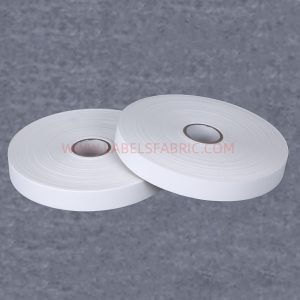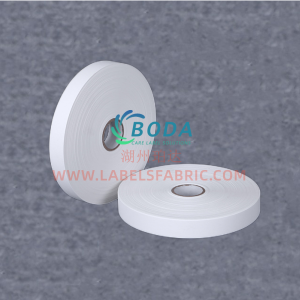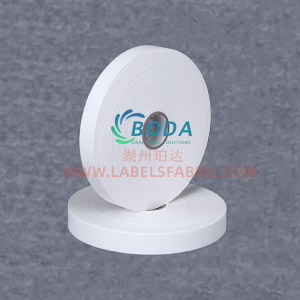

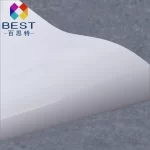
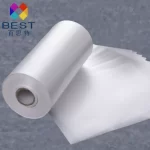
FALET Uszczelki cieplnej tkaniny HM7042
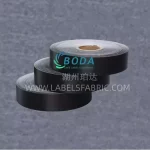
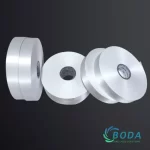
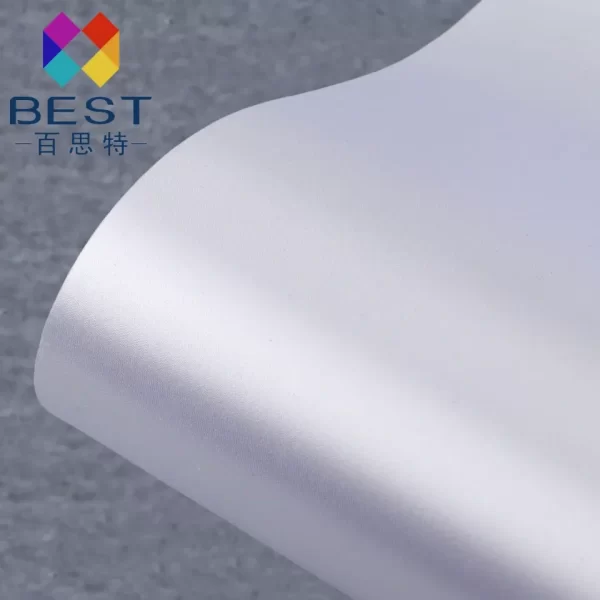
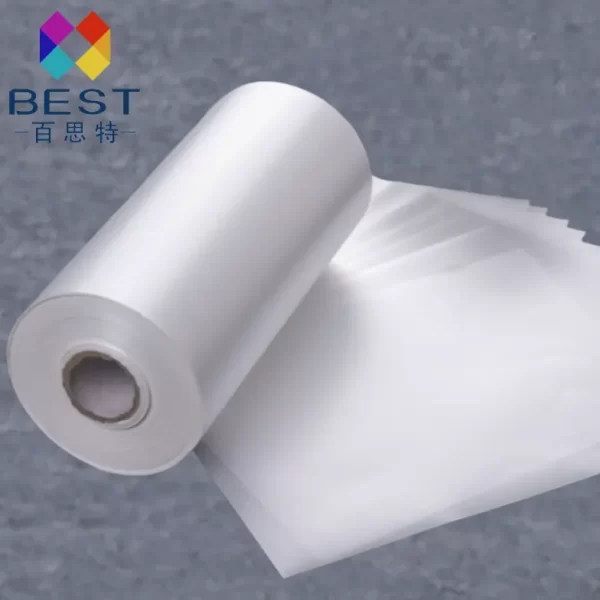
- Tkanina z etykietami zgrzewanymi na gorąco
- Klej termoaktywny
- Nylon,Do wyboru powierzchnia do druku satynowego i poliestrowego
- Aplikacja drukowania: Drukowanie przesunięcia,Wydruk z jedwabnym ekranem,druk rotacyjny,druk fleksograficzny
- Aplikacja: etykieta dywanowa,etykieta na materac,etykieta na buty,etykieta na meble,itp.
- Temperatura pracy: 105-115℃
- Opakowanie: cięty arkusz,pokrój bułkę i jumbo bułkę dla opcji
- Opis
- Zapytanie
Opis
Tkanina z etykietami zgrzewanymi na gorąco, znana również jako tkanina topliwa lub żelazna. Jest to lepka tkanina etykietowa połączona ze sobą za pomocą stałego kleju termoplastycznego i zwykłej tkaniny etykietowej poprzez laminowanie. Ten termoplastyczny klej stały jest klejem reaktywnym termicznie, który mięknie po podgrzaniu i mocno przylega do powierzchni innych produktów pod pewnym ciśnieniem.
Struktura tkaniny z etykietami zgrzewanymi
Tkanina zgrzewana na gorąco składa się z dwóch warstw zaprojektowanych w celu ułatwienia procesu łączenia tkaniny z inną powierzchnią za pomocą ciepła i ciśnienia. Chociaż dokładny skład może się różnić w zależności od konkretnego zastosowania.
- Górna warstwa (Warstwa druku): Na tej warstwie znajduje się projekt, tekst, logo, lub informacje są drukowane. Jest to widoczna część etykiety, którą widać po nałożeniu na tkaninę. Warstwa ta może być wykonana z różnych materiałów nadających się do druku, takie jak poliester, nylon,satyna inne materiały syntetyczne, które wytrzymują proces wymiany ciepła.
- Warstwa kleju: Bezpośrednio pod górną warstwą, jest warstwa kleju. Warstwa ta ma formułę, która staje się lepka pod wpływem ciepła. Odpowiada za związanie warstwy druku z tkaniną. Stosowanym klejem jest zazwyczaj materiał termoplastyczny, który mięknie po podgrzaniu i twardnieje po ochłodzeniu.
 | |
| Tkanina z etykietami zgrzewanymi na gorąco jest pokryta klejem termoplastycznym | |
Charakterystyka tkaniny z etykietami zgrzewanymi na gorąco
1-) Czysty i profesjonalny wygląd: Etykiety zgrzewane na gorąco zapewniają schludny i jednolity wygląd na tkaninie. Wyglądają profesjonalnie i często są nie do odróżnienia od otaczającego materiału.
2-) Trwałość: Kiedy zostanie prawidłowo zastosowany, Etykiety zgrzewane na gorąco są dość trwałe i wytrzymują regularne pranie, nosić , i narażenia na czynniki środowiskowe bez łuszczenia się i blaknięcia.
3-) Wszechstronność: Etykiety te można naklejać na szeroką gamę rodzajów tkanin, w tym bawełna, polyester, mieszanki, i jeszcze delikatniejsze tkaniny, pod warunkiem zastosowania właściwych ustawień temperatury i ciśnienia.
4-) Szybka aplikacja: Nakładanie etykiet zgrzewanych na gorąco jest zazwyczaj szybsze niż szycie tradycyjnych etykiet, co może być szczególnie korzystne w warunkach produkcji masowej.
5-) Nie wymaga szycia: Jedną z głównych zalet jest to, że etykiety zgrzewane na gorąco eliminują potrzebę szycia, co pozwala zaoszczędzić czas i obniżyć koszty pracy.
6-) Różnorodność zastosowań: Etykiety zgrzewane są stosowane w różnych gałęziach przemysłu, w tym odzież, odzież sportowa, odzież robocza, modne dodatki, tekstylia medyczne, i tekstyliów przemysłowych.
Etykiety zgrzewane oferują wiele korzyści, ważne jest, aby wziąć pod uwagę takie czynniki, jak kompatybilność tkanin, techniki aplikacji, oraz odpowiednie ustawienia temperatury i ciśnienia, aby zapewnić skuteczne łączenie i trwałość etykiet. Zawsze postępuj zgodnie z wytycznymi producenta i przeprowadzaj testy, gdy po raz pierwszy używasz etykiet zgrzewanych na określonej tkaninie lub materiale.
Specyficzne zastosowanie tkaniny z etykietami zgrzewanymi na gorąco
Etykieta zgrzewana jest prosta w obsłudze i nie wymaga szycia ani innych metod klejenia. Nie tylko zapewnia estetykę produktu, ale jest także niezbędną metodą etykietowania niektórych produktów, które nie są odpowiednie do szycia,dlatego też tego typu etykiety cieszą się coraz większą popularnością i są powszechnie stosowane przy produkcji etykiet obuwniczych, Etykiety dywanów, Etykiety materaca, Etykiety meblowe, i etykiety elektromechaniczne.

Skorzystaj z wytycznych dotyczących etykiety zgrzewanej
Stosowanie etykiet zgrzewanych jest prostym procesem, ważne jest jednak przestrzeganie instrukcji i postępowania producenta. Oto ogólne wskazówki dotyczące stosowania etykiet zgrzewalnych
- Krok 1) Przygotowanie:
Upewnij się, że tkanina jest czysta i wolna od zabrudzeń, gruz, lub zmarszczki.
Rozgrzej prasę termiczną lub żelazko do temperatury zalecanej przez producenta etykiet zgrzewanych. Temperatura zależy zazwyczaj od rodzaju tkaniny i użytego kleju.
- Krok 2) Pozycjonowanie:
Połóż tkaninę na płasko, powierzchnia odporna na ciepło.
Umieść etykietę zgrzewaną na tkaninie stroną z nadrukiem skierowaną w dół i stroną z klejem skierowaną w stronę tkaniny. Upewnij się, że jest prawidłowo wyrównany i wyśrodkowany.
- Krok 3) Stosowanie ciepła i ciśnienia:
Jeśli używasz maszyny do prasowania na gorąco:
Umieść tkaninę z etykietą na dolnej płycie maszyny do prasowania na gorąco.
Zamknąć prasę termiczną i zastosować zalecane ciśnienie.
Ustaw timer zgodnie z instrukcją producenta.
Prasa termiczna podgrzeje jednocześnie etykietę i tkaninę.
Jeśli używasz żelazka domowego:
Połóż cienką szmatkę na etykiecie, aby zapobiec bezpośredniemu kontaktowi ze stopą żelazka.
Przyłóż żelazko do etykiety z równomiernym naciskiem. Poruszaj żelazkiem, aby zapewnić równomierne rozprowadzenie ciepła.
Utrzymuj żelazko w ruchu, aby zapobiec przegrzaniu lub przypaleniu tkaniny.
- Krok 4) Chłodzenie:
Po zalecanym czasie stosowania ciepła, usuń źródło ciepła i poczekaj kilka chwil, aż etykieta i tkanina ostygną. Dzięki temu klej stwardnieje i stworzy mocne połączenie.
- Krok 5) Peeling
Sprawdź połączenie etykiety z tkaniną. Upewnij się, że jest bezpiecznie zamocowana i nie ma obszarów, w których etykieta unosi się lub nie przylega prawidłowo.
Zawsze postępuj zgodnie z wytycznymi producenta, ponieważ szczegółowe instrukcje i zalecenia mogą się różnić w zależności od rodzaju tkaniny, spoiwo, i wykorzystywanego źródła ciepła. Zaleca się przetestowanie procesu na małej powierzchni tkaniny lub próbce przed nałożeniem etykiety zgrzewanej na produkt końcowy, aby zapewnić pomyślny wynik.
Kategoria produktu
Huzhou Boda Label Fabric Co., Ltd. Dostawca A Seires Samoprzylepnych tkanin z inną powierzchnią tekstylną używaną w różnych zastosowaniach,proszę, skontaktuj się z nami przez poczta/telefon do zapytania.
| Model | HM603 | HM7042 | HM7324 | |
| Opis | Nylon z uszczelnieniem termicznym | Zgrzewarka satynowa | Poliester zgrzewany na gorąco | |
| Kolor | Biały | Biały | Biały | |
| Kompozycja | Tkanina | Powlekany nylon | Powlekana satyna | Powlekany poliester |
| Spoiwo | Klej termoplastyczny | Klej termoplastyczny | Klej termoplastyczny | |
| Grubość | Tkanina | 110 mikro (+5) | 100 mikro (+5) | 150 mikro (+5) |
| Spoiwo | 100 mikro (+1) | 110 mikro (+1) | 110 mikro (+1) | |
| Całkowity | 210 mikro (+5) | 210 mikro (+5) | 260 mikro (+5) | |
| Waga | Tkanina | 68 gsm (+3) | 105 gsm (+3) | 104 gsm (+3) |
| Spoiwo | 85 gsm (+1) | 85 gsm (+1) | 85 gsm (+1) | |
| Całkowity | 153 gsm (+5) | 190 gsm (+5) | 189 gsm (+5) | |
| Druk | Naciśnij list | √ | √ | √ |
| Obrotowy | √ | √ | √ | |
| Jedwabny ekran | √ | √ | √ | |
| Zrównoważyć | √ | √ | √ | |
| Transfer termiczny | √ | × | × | |
| Gorące stemplowanie | √ | √ | √ | |
| Standard Oeko-Tex | × | × | × | |
| Apost | × | × | × | |
| Wolny formaldehyd | N.d | N.d | N.d | |
| ZASIĘG | √ | √ | √ | |
| Rohs | √ | √ | √ | |
| Temperatura fiksacji kolorów | 70℃ | 70℃ | 70℃ | |
| Gwarancja jakości | 1rok | 1rok | 1rok | |
| Składowanie | Temperatura | 5~ 40 ℃ | 5~ 40 ℃ | 5~ 40 ℃ |
| Wilgotność | 40~ 70% | 40~ 70% | 40~ 70% | |
Opakowania produktów
1-) Pakowanie rolki do cięcia: Klienci mogą zamówić krojone taśmy w opakowaniu rolki o tej samej szerokości, Według szerokości etykiety, którą chcą zrobić. Etykiety drukowane przez obrotowe maszyny do drukowania, Jedwabne maszyny do drukowania ekranu, a maszyny do drukowania typu typu zawsze dostosowują się do cięcia.
2-) Pakowanie arkusza: Drukuj etykiety według komputera drukowania przesunięcia, głównie wybieraj opakowanie arkuszy cięć
3-) Opakowanie Jumbo Roll: Ci, którzy wybierają opakowanie Jumbo Roll, to na ogół dystrybutorzy lub producenci etykiet na dużą skalę. Mają własne maszyny do cięcia lub maszyny do przecięcia i wycinają tkaninę samoprzylepną zgodnie z rzeczywistymi potrzebami, aby zapewnić terminowość zaopatrzenia.