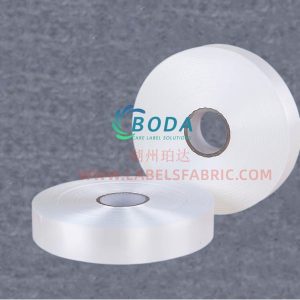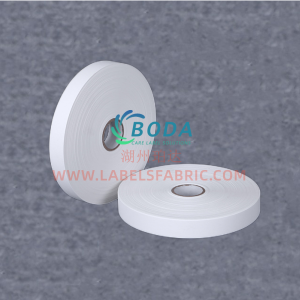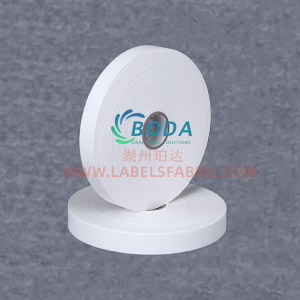

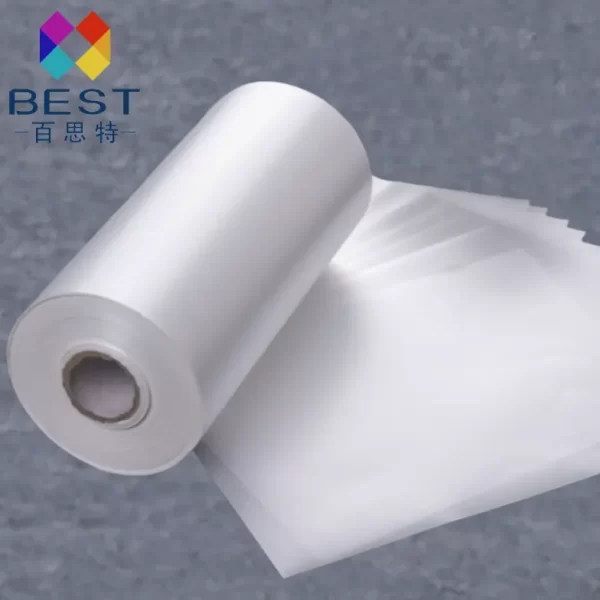
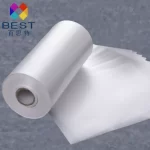
Heat Seal Label Fabric HM7042
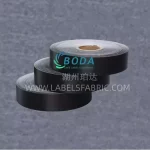
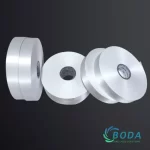
- Heat Seal Label Fabric
- Thermo-activated Adhesive
- Nylon,Satin and Polyester printing surface for selection
- Printing Application: offset printing,silk screen printing,rotary printing,flexo printing
- Application: carpet label,mattress label,shoes label,funiture label,etc.
- Operation Temperature: 105-115℃
- Packaging: cut sheet,cut roll and jumbo roll for option
- Description
- Inquiry
Description
Heat seal label fabric, also known as hot melt or iron label fabric. It is a sticky label fabric that is bonded together by a thermoplastic solid adhesive and ordinary label fabric through lamination. This thermoplastic solid adhesive is a thermally reactive adhesive that softens when heated and firmly adheres to the surface of other products under certain pressure.
Structure of Heat Seal Label Fabric
A heat seal fabric consists of two layers designed to facilitate the process of bonding the fabric to another surface using heat and pressure. While the exact composition can vary depending on the specific application.
- Top Layer (Printing layer): This layer is where the design, text, logo, or information is printed. It’s the visible part of the label that you see once it’s applied to the fabric. This layer can be made from various printable materials, such as polyester, nylon,satin other synthetics that can withstand the heat transfer process.
- Adhesive Layer: Directly beneath the top layer, there’s an adhesive layer. This layer is formulated to become sticky when exposed to heat. It’s responsible for bonding the printing layer to the fabric. The adhesive used is typically a thermoplastic material that softens when heated and solidifies upon cooling.
 | |
| Heat Seal Label Fabric is Backed with Thermoplastic Adhesive | |
Characteristics of Heat Seal Label Fabric
1-) Clean and Professional Appearance: Heat seal labels provide a neat and seamless appearance on fabric. They look professional and are often indistinguishable from the surrounding material.
2-) Durability: When properly applied, heat seal labels are quite durable and can withstand regular washing, wear, and exposure to environmental factors without peeling or fading.
3-) Versatility: These labels can be applied to a wide range of fabric types, including cotton, polyester, blends, and even more delicate fabrics, provided the correct heat and pressure settings are used.
4-) Quick Application: Applying heat seal labels is generally faster than sewing traditional labels, which can be especially beneficial in mass production settings.
5-) No Sewing Required: One of the major advantages is that heat seal labels eliminate the need for sewing, which can save time and reduce labor costs.
6-) Variety of Applications: Heat seal labels are used in various industries, including apparel, sportswear, workwear, fashion accessories, medical textiles, and industrial textiles.
While heat seal labels offer numerous benefits, it’s important to consider factors like fabric compatibility, application techniques, and appropriate heat and pressure settings to ensure successful bonding and longevity of the labels. Always follow manufacturer guidelines and conduct tests when using heat seal labels for the first time on a particular fabric or material.
Specific Application of Heat Seal Label Fabric
The heat seal label is simple to operate and does not require sewing or other adhesive methods. It not only ensures the aesthetics of the product, but also is a necessary labeling method for some products that are not suitable for sewing,so this type of label is becoming increasingly popular and widely used in the production of shoe labels, carpet labels, mattress labels, furniture labels, and electromechanical labels.

Use Guidence of Heat Seal Label
Using heat seal labels involves a straightforward process, but it’s important to follow the manufacturer’s instructions and conduct. Here’s a general use guidence for heat seal labe
- Step 1) Preparation:
Ensure the fabric is clean and free of any dirt, debris, or wrinkles.
Preheat the heat press machine or iron to the temperature recommended by the heat seal label manufacturer. The temperature usually depends on the type of fabric and the adhesive used.
- Step 2) Positioning:
Place the fabric on a flat, heat-resistant surface.
Position the heat seal label on the fabric with the printed side facing down and the adhesive side facing the fabric. Make sure it’s aligned and centered correctly.
- Step 3) Applying Heat and Pressure:
If using a heat press machine:
Place the fabric with the label onto the heat press machine’s bottom platen.
Close the heat press machine and apply the recommended pressure.
Set the timer according to the manufacturer’s instructions.
The heat press will heat the label and fabric simultaneously.
If using a household iron:
Place a thin cloth over the label to prevent direct contact with the iron’s soleplate.
Apply the iron to the label with even pressure. Move the iron around to ensure even heat distribution.
Keep the iron in motion to prevent overheating or scorching the fabric.
- Step 4) Cooling:
After the recommended heat application time, remove the heat source and allow the label and fabric to cool down for a few moments. This allows the adhesive to solidify and create a strong bond.
- Step 5) Peeling
Check the bond between the label and fabric. Make sure it’s secure and there are no areas where the label is lifting or not adhering properly.
Always follow the manufacturer’s guidelines, as specific instructions and recommendations can vary based on the type of fabric, adhesive, and heat source being used. It’s advisable to test the process on a small area of the fabric or a sample before applying the heat seal label to the final product to ensure a successful outcome.
Product Category
Huzhou Boda Label Fabric Co.,Ltd. supplier a seires of self adhesive label fabrics with different textile surface used in various application,pls contact us by mail/telephone for inquiry.
| Model | HM603 | HM7042 | HM7324 | |
| Description | Heat Seal Nylon | Heat Seal Satin | Heat Seal Polyester | |
| Color | White | White | White | |
| Composition | Fabric | Coated Nylon | Coated Satin | Coated Polyester |
| Adhesive | Thermoplastic Adheisve | Thermoplastic Adheisve | Thermoplastic Adheisve | |
| Thickness | Fabric | 110 micro (+5) | 100 micro (+5) | 150 micro (+5) |
| Adhesive | 100 micro (+1) | 110 micro (+1) | 110 micro (+1) | |
| Total | 210 micro (+5) | 210 micro (+5) | 260 micro (+5) | |
| Weight | Fabric | 68 gsm (+3) | 105 gsm (+3) | 104 gsm (+3) |
| Adhesive | 85 gsm (+1) | 85 gsm (+1) | 85 gsm (+1) | |
| Total | 153 gsm (+5) | 190 gsm (+5) | 189 gsm (+5) | |
| Printing | Letter Press | √ | √ | √ |
| Rotary | √ | √ | √ | |
| Silk Screen | √ | √ | √ | |
| Offset | √ | √ | √ | |
| Thermal Transfer | √ | × | × | |
| Hot Stamping | √ | √ | √ | |
| Oeko-Tex Standard | × | × | × | |
| APEO | × | × | × | |
| Free Formaldehyde | N.D | N.D | N.D | |
| REACH | √ | √ | √ | |
| ROHS | √ | √ | √ | |
| Color fixation temperature | 70℃ | 70℃ | 70℃ | |
| Quality guarantee | 1year | 1year | 1year | |
| Storage | Temperature | 5~40℃ | 5~40℃ | 5~40℃ |
| Humidity | 40~70% | 40~70% | 40~70% | |
Products Packaging
1-) Cutting Roll Packaging: Customers can order cut tapes in roll packaging of the same width, according to the width of the label they want to make. Printing labels by rotary printing machines, silk screen printing machines, and letterpress printing machines always adapt to cut roll packaging.
2-) Cut Sheet Packaging: Print labels by offset printing machine mostly choose cut sheet packaging
3-) Jumbo roll packaging: These who choose jumbo roll packaging are generally distributors or large-scale label manufacturers. They have their own sheet cutting machines or slitting machines and cut the self adhesive label fabric according to actual needs to ensure the timeliness of supply.